
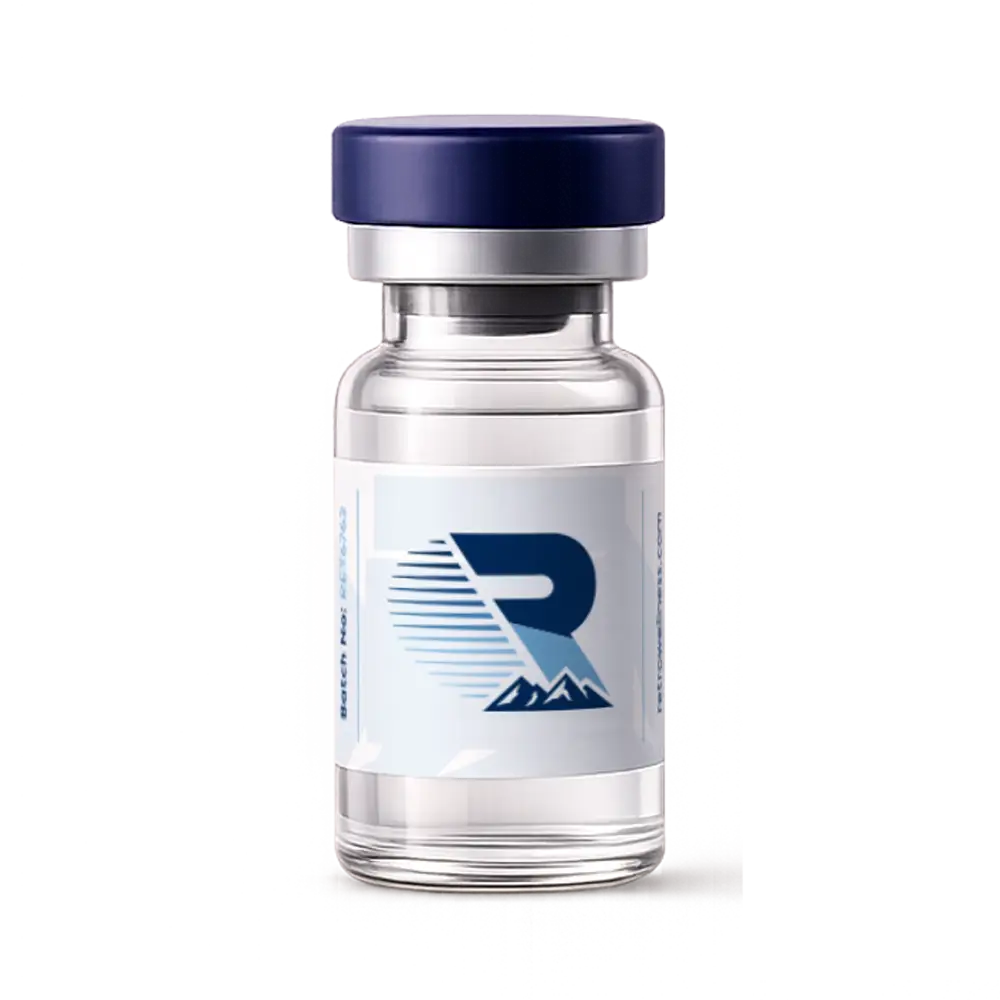
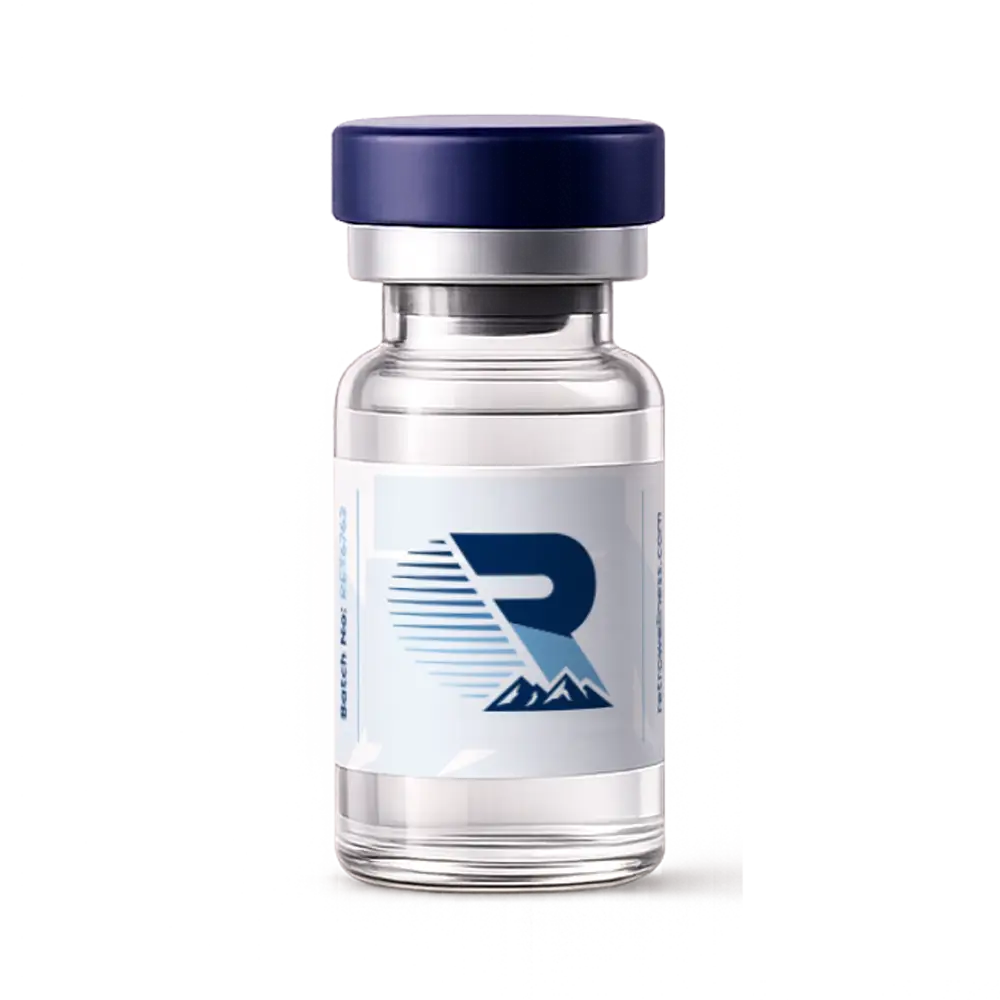
Cagrilintide is a long-acting synthetic analog of amylin, a peptide hormone co-secreted with insulin by the pancreatic beta cells. Research has looked at its interactions with the amylin and calcitonin receptor family and its role in appetite and satiety signaling.
High Purity
>99% HPLC
Lab Tested
COA Provided
Secure Supply
Quality Assured
Cagrilintide is a synthetic long-acting amylin analogue that has been widely studied in laboratory settings for its interaction with amylin receptors and biological pathways involved in appetite regulation, energy balance, and metabolic signalling. It is supplied exclusively for controlled laboratory and research use and is intended only for qualified scientific investigation.
As part of Retro Wellness’ research compound range, Cagrilintide is presented with a focus on consistency, quality, and responsible sourcing. Each product is intended strictly for qualified research settings and should only be handled by individuals or organisations with the appropriate facilities, knowledge, and procedures.
Research involving Cagrilintide has explored its interaction with biological pathways associated with amylin receptor activation, gastric emptying, satiety signalling, glucose regulation, and central nervous system pathways involved in energy homeostasis. It has also been investigated in broader studies examining metabolic function, endocrine communication, and combination research alongside GLP-1 receptor agonists across a range of experimental models. Ongoing research continues to expand understanding of its biological activity and potential relevance within metabolic, endocrine, and molecular research.
This product is not a medicine, supplement, cosmetic, or food product. It is not intended for human or veterinary use, diagnosis, treatment, prevention, or consumption.
Selected around consistency, presentation and clearly defined quality standards.
Reliable sourcing, supported by clear and straightforward product information.
Research-led articles covering compounds, standards and emerging scientific discussion.
Supplied exclusively for controlled laboratory, analytical and research applications.
All products available on this site are supplied strictly for laboratory research use only. They are not intended for human or veterinary use, consumption, treatment, diagnosis or therapeutic application. Customers are responsible for ensuring products are handled, stored and used appropriately within a suitable research setting.